
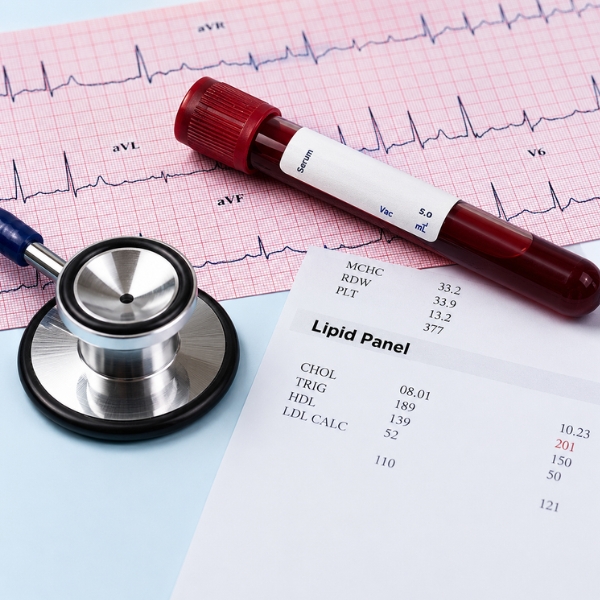
Cholesterol and other blood lipids play a significant role in the development of cardiovascular disease. Elevated levels can contribute to a build up of plaque in the arteries over time, increasing the risk of ischaemic heart disease.
Many patients have their cholesterol managed effectively by their GP as part of routine care. Specialist referral is more commonly considered for complex cases, a strong family history of high cholesterol, cholesterol management alongside a diagnosed heart condition such as ischaemic heart disease, or where standard treatment has not achieved target levels.
Your cardiologist reviews your lipid profile alongside your broader cardiovascular risk factors, including blood pressure, family history and lifestyle, to build a complete picture of your individual risk.
Depending on your results and overall risk, management may include dietary and lifestyle guidance, medication where appropriate, and ongoing monitoring to track your progress over time, in coordination with your GP.
Not necessarily. Many patients have their cholesterol managed effectively by their GP. Specialist referral is more commonly considered for complex cases, a strong family history, or when cholesterol management is being addressed alongside a diagnosed heart condition.
Healthy ranges vary depending on your individual cardiovascular risk profile, your cardiologist can advise what targets are appropriate for you.
Fasting requirements can vary depending on the specific test, our reception team can advise ahead of your appointment.
No, lifestyle factors such as diet and physical activity also play an important role, and are often discussed alongside any medication.

If your GP has recommended a specialist review of your cholesterol as part of your cardiovascular care, ask them to send a referral directly to BK Heart.